
Ordering racing gear in bulk is a smart move for motorsports teams, retailers, and promotional brands. It offers the advantage of cost savings, brand consistency, and inventory readiness. However, this decision can quickly turn into a costly mistake if approached without proper planning and knowledge. Many businesses fall into traps that compromise safety, branding, and delivery timelines. This article explores five common but avoidable mistakes companies make when ordering racing gear in large quantities.
1. Overlooking Material and Safety Standards
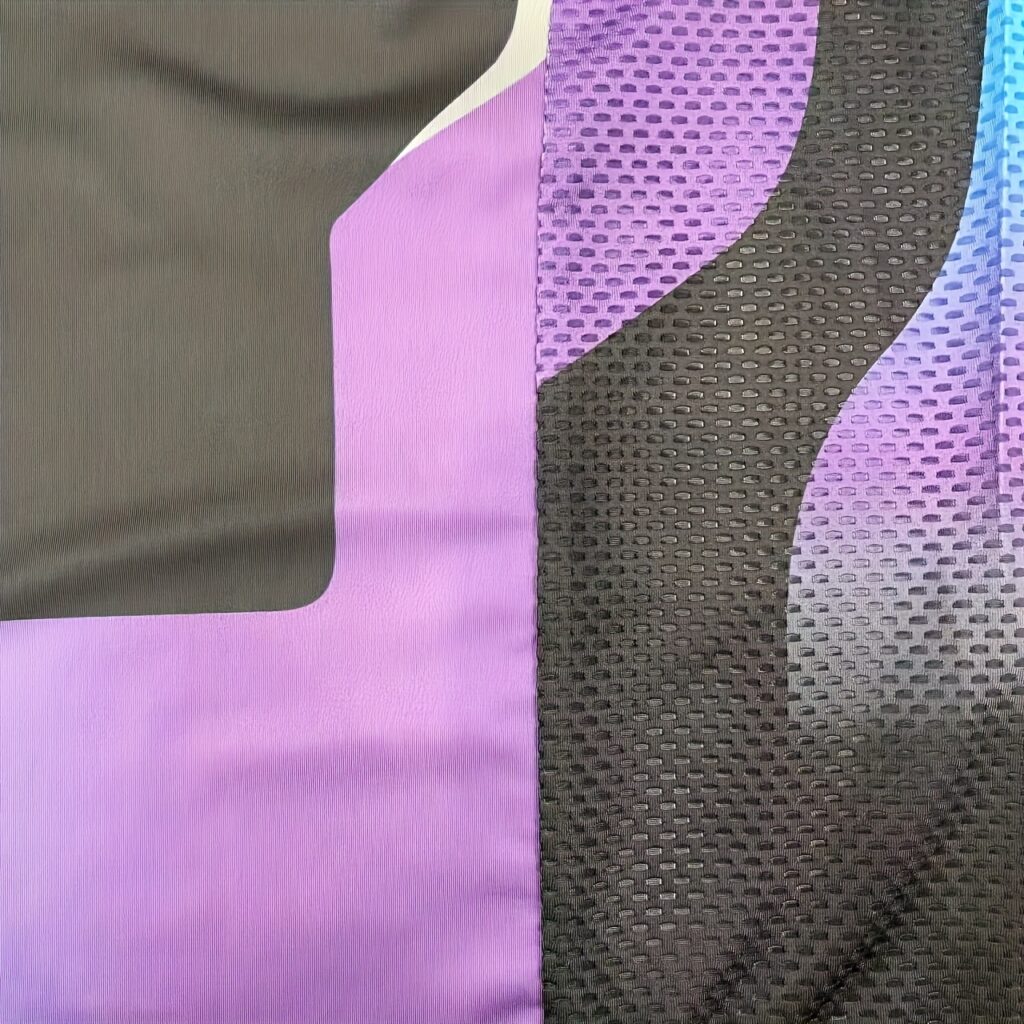
One of the most common mistakes businesses make when ordering racing gear in bulk is overlooking the importance of material quality and safety standards. In the pursuit of cutting costs, some companies opt for cheaper alternatives without fully understanding the implications. Racing gear, unlike standard apparel, must meet rigorous safety requirements. Substandard materials can lead to premature wear and tear, discomfort, and more critically, safety hazards during use.
The Role of Safety in Racing Gear
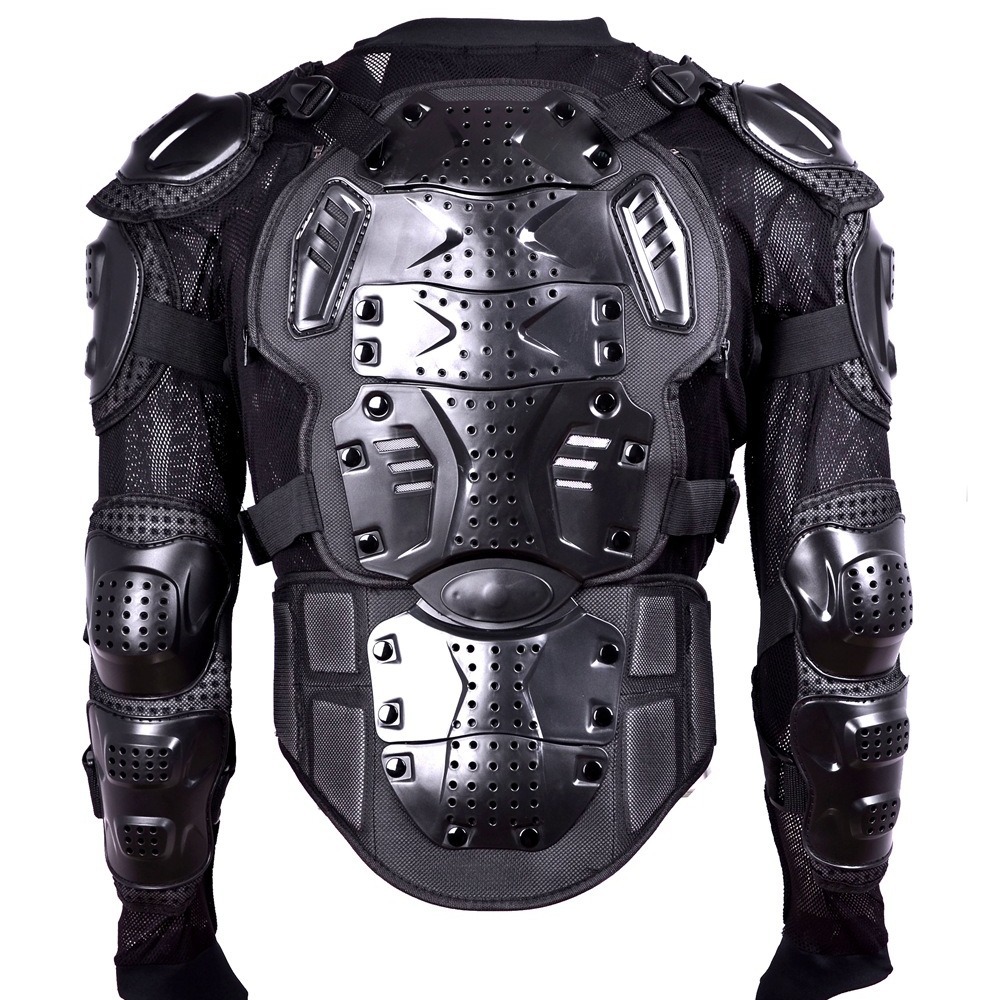
Racing is an inherently dangerous sport, and the gear worn by participants is their first line of defense. Helmets, suits, gloves, and boots are all designed to protect the racer from impacts, abrasions, and heat. If the gear is made from low-quality materials or lacks appropriate safety features, the consequences can be severe. Materials like Nomex or Kevlar are often used in high-quality racing suits because they are fire-retardant and durable. Choosing gear without these materials might reduce the cost but at the risk of the wearer’s safety.
Hidden Costs of Low-Quality Materials
While cheaper gear may offer upfront savings, it can lead to higher costs in the long run. Poor durability means more frequent replacements, potential injuries, and even legal liabilities if the gear fails during competition. Moreover, substandard gear reflects poorly on your brand’s reputation. Clients and racers expect professional-level equipment that meets industry standards.
How to Avoid This Mistake
To avoid this mistake, always request material specifications and safety certifications from your manufacturer. Don’t hesitate to ask for documentation proving the gear complies with relevant standards like FIA or SFI. Request samples to assess quality firsthand before committing to a bulk order. Work with manufacturers who have a track record in producing certified, performance-grade racing gear. A slightly higher investment in quality will pay off in terms of safety, brand trust, and long-term savings.
In conclusion, when it comes to ordering racing gear in bulk, never compromise on safety and material standards. Your investment should reflect not just quantity, but quality that protects and performs. The right gear isn’t just apparel—it’s armor for those who race.
2. Ignoring Proper Sizing and Fit
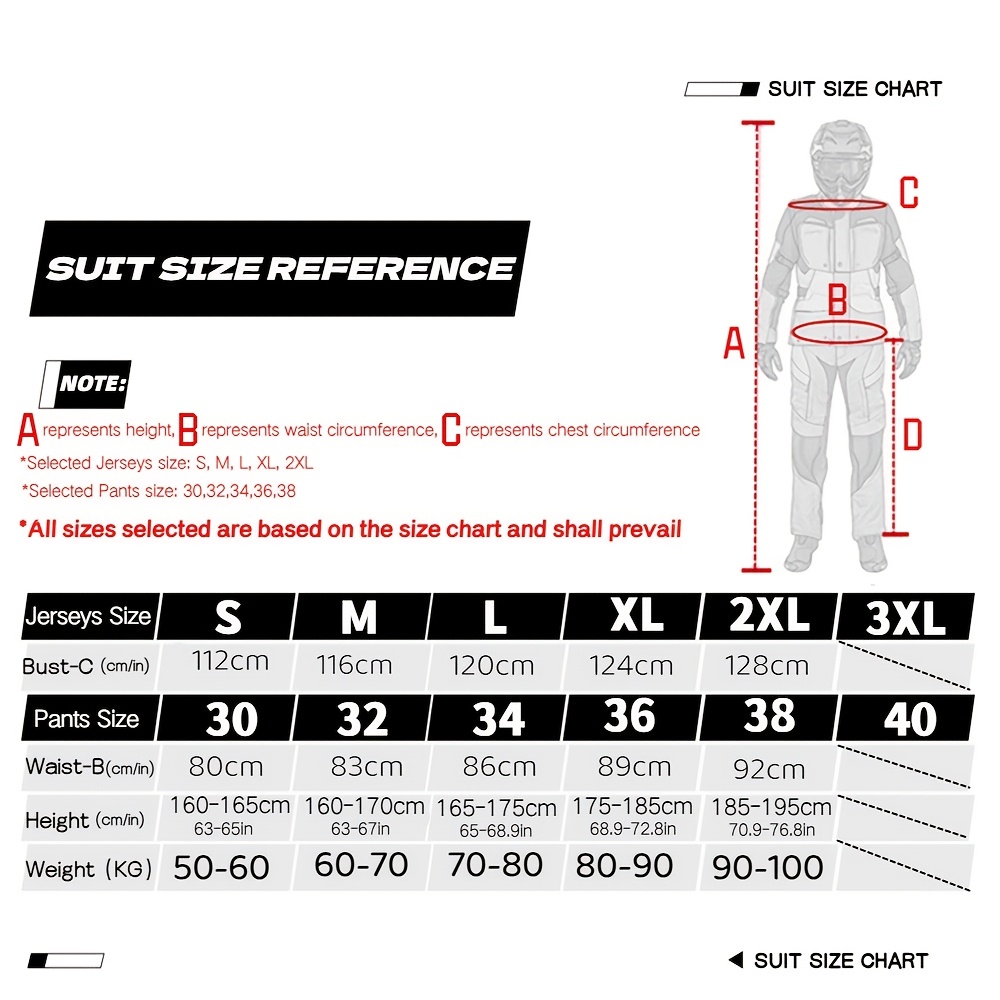
When businesses order racing gear in bulk, one of the most overlooked aspects is ensuring proper sizing and fit for every user. Unlike standard apparel, racing gear must offer a snug, ergonomic fit to ensure both comfort and safety during high-speed performance. Many companies make the mistake of ordering a generic size distribution or relying on estimations, assuming one size fits most. This approach often leads to poor user experience, returns, and even safety risks.
Why Fit Matters in Racing Gear
In motorsports, fit isn’t just about appearance—it’s critical to performance and protection. A racing suit that is too tight can restrict movement, cause discomfort, or lead to fatigue during races. On the other hand, a suit that’s too loose can get caught in equipment or fail to provide the necessary protection in case of an accident. The same goes for gloves, boots, and helmets—each must fit precisely to offer the intended benefits.
For instance, an ill-fitting helmet may shift during a race, reducing visibility and increasing the risk of head injury. Similarly, oversized gloves can make it difficult to control the steering wheel, while tight boots can cause discomfort that distracts the racer. Every component of the gear must align with the wearer’s measurements.
Common Sizing Mistakes
One major issue is relying on standard sizing charts without considering regional or demographic differences. For example, sizing standards can vary significantly between the U.S., Europe, and Asia. Businesses that ignore these nuances risk receiving gear that doesn’t match the intended wearers’ body types.
Another mistake is failing to collect accurate measurements. Some companies place bulk orders without first asking racers or staff to provide their detailed measurements. This not only leads to mismatched gear but also additional costs for alterations or reorders.
Solutions: How to Get the Sizing Right
To prevent sizing-related issues, always request a detailed sizing chart from your manufacturer. It should include guidance for suits, gloves, boots, and helmets. Before placing an order, take the time to collect precise measurements from each individual who will be using the gear.
Also, consider ordering a small test batch or sample sizes to confirm the fit across different body types. Work with a supplier who can offer semi-custom or tailored sizing options if needed.
Ultimately, ensuring a proper fit will enhance performance, safety, and satisfaction. When racing gear feels like a second skin, it empowers athletes to focus entirely on their performance—not their discomfort. A fit that’s just right is not a luxury in motorsports; it’s a necessity.
Contact us for Free Consultation Origin Gear
3. Lack of Customization Clarity
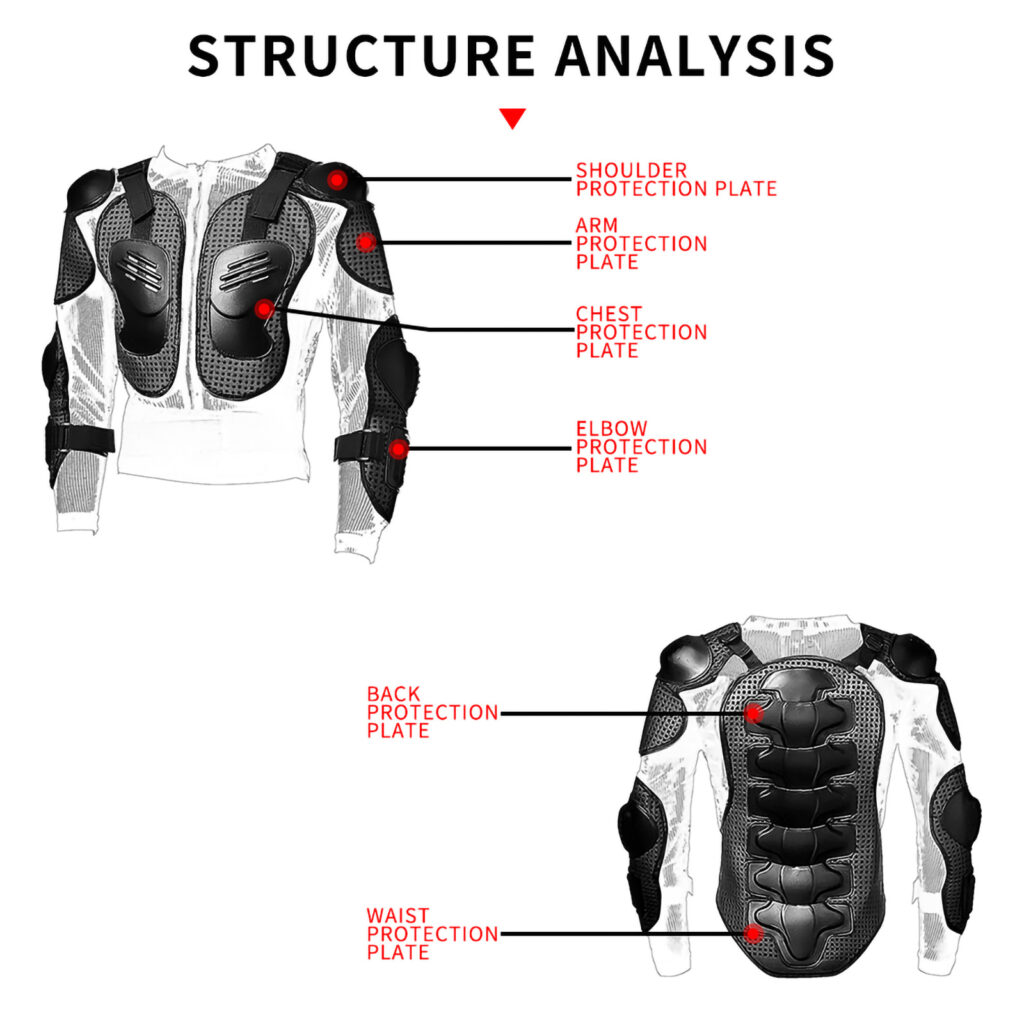
Customization is one of the most attractive benefits of ordering racing gear in bulk. Businesses can showcase their brand identity through logos, color schemes, sponsor placements, and unique design elements. However, a common mistake many companies make is failing to provide clear and detailed customization instructions to the manufacturer. This lack of clarity often leads to miscommunications, production delays, and results that don’t align with the brand’s vision.
Why Customization Matters
In competitive motorsports, brand image is everything. Whether it’s a racing team, a sponsor, or a retailer, the visual appearance of the gear directly reflects on the brand’s professionalism and credibility. Uniform, high-quality customization reinforces the team identity and increases visibility on and off the track. For sponsors, it’s an essential advertising opportunity. Poorly executed customization, on the other hand, looks unprofessional and diminishes brand value.
Common Customization Mistakes
One of the most frequent errors is providing vague descriptions such as “include our logo” or “make it red.” Without specific guidelines, the manufacturer may misinterpret your vision. Logos may appear distorted, colors might not match your brand palette, and sponsor names could be placed incorrectly or misspelled.
Another issue is not supplying proper file formats. Many businesses send low-resolution or non-vector logos, which can lead to pixelation and poor printing quality. Moreover, neglecting to specify exact dimensions, positions, and design expectations can result in costly reworks or complete order rejection.
How to Communicate Customization Clearly
The key to successful customization is detailed documentation. Create a comprehensive customization guide that includes:
- High-resolution or vector files of logos (e.g., AI, SVG, or EPS formats)
- Exact color specifications using Pantone or HEX codes
- Mockups showing logo placement, scale, and orientation
- Font preferences for text elements
- Clear instructions for each item (suit, helmet, gloves, etc.)
Additionally, schedule a review session with the manufacturer to go over the designs and approve samples before full-scale production begins. Many reputable manufacturers offer digital proofs or prototype samples, which you should review thoroughly.
Collaboration Is Key
Treat your manufacturer as a design partner. Open communication, timely feedback, and collaborative planning go a long way in ensuring that the final product aligns with your vision. Don’t assume they understand your branding the way you do—make everything explicit.
In summary, when it comes to customization, clarity is everything. A well-documented and visual design brief helps prevent mistakes, ensures brand consistency, and delivers gear that looks as impressive as it performs.
4. Failing to Vet the Manufacturer
Another costly mistake businesses often make when ordering racing gear in bulk is failing to properly vet the manufacturer. In the race to find the lowest price or the quickest turnaround, companies sometimes partner with unverified suppliers. While this might seem like a shortcut to savings, it can lead to major issues including delayed shipments, inconsistent quality, poor communication, and even financial loss.
The Risk of Unverified Suppliers
The global market is saturated with manufacturers claiming to offer premium racing gear at competitive rates. However, not all of them are capable of meeting high-performance standards. Some may lack the proper facilities, skilled labor, or materials to produce safety-compliant gear. Others may overpromise and underdeliver when it comes to lead times and product quality.
When a supplier fails to meet expectations, it doesn’t just impact your bottom line—it damages your brand reputation. Late deliveries can mean missed racing events, while subpar gear can put athletes at risk and lead to returns, complaints, or even legal action.
Common Vetting Mistakes
Many businesses skip due diligence because of time constraints or a focus on price. Common oversights include:
- Not requesting product samples before placing a large order
- Ignoring or skipping factory inspections
- Failing to check third-party reviews or testimonials
- Not verifying past work or industry experience
These shortcuts can result in working with manufacturers who don’t understand the specific needs of motorsports gear, leading to incompatible or unusable products.
Best Practices for Vetting Manufacturers
To ensure you’re working with a reliable manufacturer, take the time to do proper research. Start by requesting:
- Detailed product catalogs and safety certifications (e.g., FIA, SFI)
- References or case studies from previous clients
- A sample order to inspect material and build quality
- A virtual or in-person tour of their production facility
Use third-party platforms or sourcing agents to validate the legitimacy of the supplier. Tools like Alibaba, ThomasNet, or independent procurement consultants can help verify certifications and business history. Also, check for clear communication skills and responsiveness—reliable manufacturers maintain open and prompt dialogue.
Long-Term Relationships Over Short-Term Deals
Choosing the right manufacturer isn’t just about one order—it’s about establishing a long-term partnership. A vetted and dependable supplier will learn your preferences, adapt to your feedback, and grow with your business needs. This consistency leads to higher quality outcomes and fewer surprises down the line.
In conclusion, thoroughly vetting your racing gear manufacturer is essential to avoid costly mistakes. Prioritize credibility, quality, and communication over low prices to ensure your bulk orders meet safety, branding, and delivery standards every time.
5. Neglecting Delivery Timelines and Logistics
A crucial mistake that many businesses make when ordering racing gear in bulk is underestimating the importance of delivery timelines and logistics. Even if you’ve chosen a high-quality manufacturer and ensured proper customization, your efforts can fall apart without effective logistical planning. Delays in delivery can disrupt events, affect team preparation, and strain client relationships—especially when working with international suppliers.
The Impact of Poor Planning
When racing gear arrives late, it’s not just an inconvenience—it can have serious consequences. Teams may miss out on practice runs, sponsors might be disappointed by lack of visibility, and event participation could be jeopardized entirely. In retail or wholesale environments, late stock arrivals can lead to loss of sales and dissatisfied customers.
Late deliveries often stem from a lack of coordination on production schedules, customs clearance, or transit planning. External factors like holidays, strikes, or natural disasters can compound delays if not accounted for in your lead time estimates.
Common Logistical Mistakes
One of the most frequent errors is placing an order without confirming the manufacturer’s production capacity and estimated turnaround time. Some businesses also ignore international shipping variables such as:
- Customs and import duties
- Required documentation (e.g., invoices, origin certificates)
- Seasonal shipping delays (e.g., during holidays or peak race seasons)
- Lack of insurance coverage for goods in transit
Another issue is failing to factor in additional time for quality checks, sample approvals, or last-minute changes. Rushing the process to meet a tight deadline can backfire, resulting in inferior products or incomplete shipments.
Best Practices for Managing Logistics
To avoid delays, start by building a realistic production and shipping timeline with your manufacturer. Factor in time for:
- Sample approval and customization reviews
- Quality control checks
- Customs clearance
- Buffer time for unexpected delays
It’s also wise to work with a freight forwarder or logistics partner experienced in handling bulk apparel shipments. They can manage documentation, provide tracking, and ensure smooth transit through international borders. Always confirm whether the shipping quote includes duties, taxes, and delivery to your final destination.
Conclusion
Ordering racing gear in bulk is a strategic investment for businesses in motorsports, retail, and promotions. However, it’s easy to fall into avoidable pitfalls that can compromise the safety, branding, and timeliness of your order. From overlooking safety standards and sizing accuracy to poor communication about customization, inadequate manufacturer vetting, and neglecting logistics—each mistake can lead to costly consequences.
To ensure a successful bulk order, prioritize quality over shortcuts, plan meticulously, and maintain open lines of communication with your manufacturing and logistics partners. The extra effort spent on preparation will not only save time and money but also protect your brand’s reputation and your clients’ trust.
By steering clear of these common mistakes, your business can enjoy the benefits of bulk ordering—cost efficiency, brand consistency, and satisfied customers—all while staying ahead in the competitive world of racing gear.